


Ensemble Stars Music
3.51.33K Reviews
App Specs
- Version
- 4.4.8628
- Updated On
- License
- Free
- Downloads
- 1,000,000+
- Developer
- Eureka Creation Limited
- Categories
- Music
- Platform
- Android, iOS
Screenshots


 Analysis by AppCompare
I judge a rhythm game by how well it fits into an ordinary day, not just by how impressive a performance looks on its best screen. Ensemble Stars Music works best when I treat it as a mix of timing practice and an ongoing idol-world hobby: I can focus on a song, then spend time with its characters and presentation. That blend gives it more personality than a bare note-tapping game, though it also means players looking only for a quick score challenge may find parts of the experience less appealing.
A routine that makes the rhythm feel manageable
My most useful habit is to separate learning a track from trying to improve a result. On a first run, I pay attention to the chart’s patterns and the way taps, holds, and slides arrive, rather than chasing a perfect performance. When I replay, I can focus on the sections that caught me out. That small change makes practice feel purposeful instead of like repeating a song and hoping my timing improves by accident.
This approach is especially helpful when a track has a busy stretch. I try to notice whether I am missing notes because I am reacting late or because I am losing track of the rhythm. Those are different problems: the first calls for steadier timing, while the second means I should listen more closely and learn the phrase. The game’s visual presentation is part of the appeal, but during practice I find it useful to keep my attention on the note patterns rather than trying to absorb every performance detail at once.
For a casual session, I would choose one song I already know and one that feels less familiar. The familiar track is an easy way to settle in; the unfamiliar one gives me something concrete to learn. I would not turn every session into a long grind. A few focused attempts can be more satisfying than continuing after I have started making careless errors.
Settings and small choices that affect a session
Before settling into a chart, I recommend checking the game’s available settings and choosing a presentation that lets you read the notes comfortably. I avoid assuming that the most visually elaborate option is automatically best for play. If effects compete with the chart for attention, a calmer setup can make it easier to stay on beat. Likewise, a comfortable volume matters: the music should help you follow the rhythm, not leave you straining to hear it.
It is worth giving yourself a brief adjustment period whenever you change how the game looks or sounds. A setting that seems clearer in the menus may feel different once notes start moving. I prefer to test a change on a song I know, so I can tell whether the setup itself is helping or whether I am simply unfamiliar with the track. This is a practical way to avoid changing several things at once and then not knowing what improved the experience.
Another useful choice is to think about the device and the moment before starting. A short play while waiting for a break is different from a focused session at home. If I am distracted, I pick a song I can enjoy without treating every mistake as a setback. When I want to work on consistency, I make sure I have enough uninterrupted time to replay a chart. That distinction helps the game remain relaxing rather than turning every spare minute into a score chase.
Worth Reading Before You Choose

EA SPORTS FC Mobile 26 Is a Bigger Football Game, but It Takes Time

Flipboard Shows What News Apps Must Do Beyond the Feed

Switching to Android Auto Means Rethinking Your Driving Routine

Google Calendar Makes a Crowded Week Easier to Manage

Ludo King Makes the Most of the Minutes Between Plans

Baby Panda World Brings Quick Play to Modern Phones, but Its Game Library Feels Busy
Faster patterns for returning players
Once the basic controls feel familiar, I get more from the game by making each session repeatable. I choose a clear goal before I begin: learn one tricky passage, revisit a track for enjoyment, or spend time with the idol side. That prevents aimless switching between songs and menus. It also makes it easier to stop when I have achieved what I came for, rather than feeling that I need to keep playing simply because more activities are available.
For difficult sections, I find it useful to listen for the musical phrase instead of treating every note as an isolated reaction test. A repeated rhythmic shape becomes easier to anticipate once I recognize it. I also try not to judge my progress by one run; tired hands or a distracted moment can affect a result. A later attempt, with the same song and a calmer focus, gives a fairer sense of whether I have learned the pattern.
There is a trade-off between playing for the performance and playing for the surrounding idol experience. If I want the song to be the main event, I keep my attention on the chart. If I am in the mood for character presentation and customization, I slow down and enjoy those parts instead. Switching deliberately between these modes is more satisfying than expecting every session to deliver both at once.
Who will enjoy it, and who may prefer another game
I would recommend it to players who like rhythm gameplay but also want a cast and visual identity to care about between songs. Fans of idol stories may appreciate having performances and character-focused material alongside the music. It can also suit someone who wants a game to return to in short sessions, provided they are comfortable with the broader collection of activities that comes with an ongoing music game.
On the other hand, players who want a stripped-down arcade experience may prefer a rhythm title that puts charts and scores first, without asking them to engage with idol management or character content. Someone who dislikes event-driven progression or optional purchases should also consider whether those elements fit their habits before committing much time. The free entry point makes it easy to try, but in-app purchases are available, so I would decide on a spending boundary before browsing them.
Compared with a conventional music game built around a fixed set of tracks, this one offers a more character-led experience. That extra context can make songs feel more connected to a world, but it also asks for more attention beyond the act of playing. If all I want is an immediate challenge with minimal menus, a simpler alternative is likely a better match. If I want music play with an idol setting to explore, the added layers are part of the reason to stay.
In an everyday scenario, I might open the game during a quiet break, play a familiar track to get comfortable, and then use one more attempt to work on a passage I missed earlier. If I have time afterward, I can explore the character side; if not, I can leave without needing to turn the session into a lengthy event run. That flexible routine is one of its practical strengths. It lets me decide whether I have come for a quick musical reset or a longer visit to the game’s world.
Getting Started with Ensemble Stars Music
First off, downloading Ensemble Stars Music was a breeze. It's available on both Android and iOS, so no worries about compatibility. As soon as you fire it up, you’re greeted with a vibrant and colorful interface that’s got that classic idol feel. You know, the kind that instantly gets you pumped for some toe-tapping rhythms.
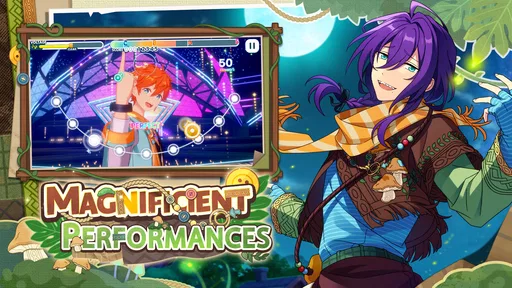
Once you’re in, the game takes you through a quick tutorial. Trust me, it’s super helpful, especially if you’re new to rhythm games. The controls are straightforward, yet they offer enough complexity to keep things interesting. You’ve got to tap, hold, and slide notes in time with the music, and the challenge ramps up quite nicely as you progress.
The Heart of the Game: The Music
Now, let’s talk tunes. The soundtrack in Ensemble Stars Music is top-notch. I was genuinely impressed by the variety and quality of the songs. Each track feels like a mini-concert, and the visuals that accompany the performances are just stunning. You’ve got all these vibrant animations and character models that really bring the songs to life.
What I love is how each idol group has its own distinct style. Whether you’re into pop, rock, or something more classical, there’s something here for everyone. And with regular updates, the song library keeps expanding, offering fresh content to keep you grooving.
Idol Management and Customization
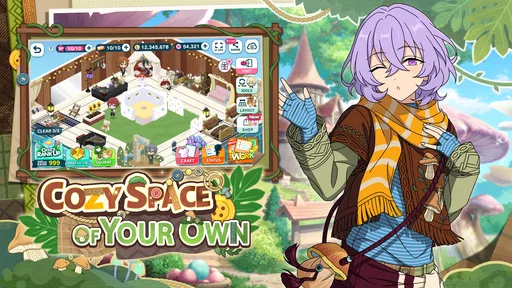
Beyond the music, Ensemble Stars Music also lets you dive into the world of idol management. You get to build and customize your own idol units, which is super satisfying. The game offers a plethora of outfits and accessories, so you can really personalize your idols. It’s like playing dress-up with a purpose!
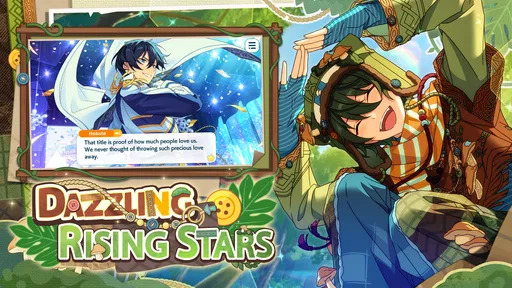
Plus, the character interactions are a huge part of the charm. The storylines are engaging and give you a deeper look into each idol’s personality. It’s these little details that make you feel connected to the characters and invested in their success.
Challenges and Events
One thing that keeps me coming back is the variety of challenges and events. There’s always something new to tackle, whether it’s a limited-time event or a special challenge mode. These events often come with exclusive rewards that you’ll definitely want to snag.
Competing in these events can be addictive. The leaderboard system adds a layer of competition that makes you want to perfect your rhythm skills. And let’s be honest, who doesn’t love a little friendly competition?
Wrapping It Up
Overall, Ensemble Stars Music is a delightful mix of rhythm gaming and idol management. It’s got a fantastic soundtrack, engaging gameplay, and a vibrant community. Whether you’re a seasoned rhythm game player or just looking for something fun and different, it’s definitely worth a download.
If you’re ready to dive into the world of idols and music, you can grab Ensemble Stars Music from your favorite app store. Trust me, you won’t regret it. Happy tapping!
What to expect before you commit
Developed by Eureka Creation Limited, this free music game has a Teen content rating and is available for Android devices running version 6.0 or later. It has a 3.5 average from around 20,000 ratings, with more than a million installs. The current version is 4.2.8294, and optional in-app purchases range from $0.99 to $99.99 per item. I would treat those purchases as optional extras, not as a prerequisite for deciding whether the rhythm play and idol presentation suit me.
The rating gives a useful reminder that enthusiasm for the concept does not mean every part will click for every player. The blend of music, character content, customization, and ongoing activities is the defining appeal, but it is also a commitment of attention. Before getting invested, I would try the tutorial and a few songs, then decide whether I actually enjoy the feel of the controls and presentation on my device. That is a better test than judging it only by its characters or by the promise of a growing song selection.
For someone new to rhythm games, I would begin with the tutorial and resist the urge to jump straight into the hardest-feeling material. Learning how taps, holds, and slides are presented is more valuable than chasing a high score immediately. For an experienced player, the better test is whether the chart patterns stay satisfying after the novelty of the visuals wears off. Either way, the game rewards patience more than frantic tapping: reading what is coming and listening to the phrase helps make play feel controlled.
My verdict is that this is a good choice when I want both a music challenge and a reason to spend time with an idol cast. It is less suitable if I want a purely competitive rhythm tool, dislike character-focused progression, or prefer games with no optional spending. I would start free, establish a comfortable routine, and only spend if a specific purchase genuinely adds something I want. That keeps the decision grounded in what I enjoy rather than in the pressure to keep up with every activity.
Pros
- Stunning graphics with vibrant animations.
- Wide variety of songs and challenges.
- Customizable character outfits.
- Engaging storylines with rich narratives.
- Frequent updates and new content.
Cons
- Requires constant internet connection.
- Can be overwhelming for new players.
- In-app purchases can get pricey.
- Storage space requirement is high.
- Some features are region-locked.
FAQs for Ensemble Stars Music
What is Ensemble Stars Music about?
Ensemble Stars Music is a rhythm-based mobile game where players engage in musical performances with a variety of characters from the Ensemble Stars universe. The game features a rich storyline, unique character interactions, and a diverse range of songs. Players tap along to the rhythm to score points and unlock new content.
Is Ensemble Stars Music free to play?
Yes, Ensemble Stars Music is free to download and play. However, it does offer in-app purchases which can enhance gameplay. These purchases can include new outfits for characters, additional song packs, and other items that can improve the player's experience. Be mindful of these purchases, especially if children have access to the game.
What platforms is Ensemble Stars Music available on?
Ensemble Stars Music is available on both Android and iOS devices. You can download the game from the Google Play Store for Android or the Apple App Store for iOS. Ensure your device meets the necessary system requirements for the game to run smoothly.
How do I play Ensemble Stars Music?
In Ensemble Stars Music, you participate in musical performances by tapping, holding, and swiping on the screen in time with the music. Each note type requires a different action, and maintaining accuracy will increase your score. The game also includes a story mode where you can interact with characters and explore their backgrounds.
Can I play Ensemble Stars Music offline?
No, Ensemble Stars Music requires an internet connection to play. The game needs to connect to its servers for updating content, saving progress, and accessing online features. Make sure you have a stable internet connection to enjoy a seamless gaming experience.


